

Business Forecasting When Trend Is Not Your Friend…….
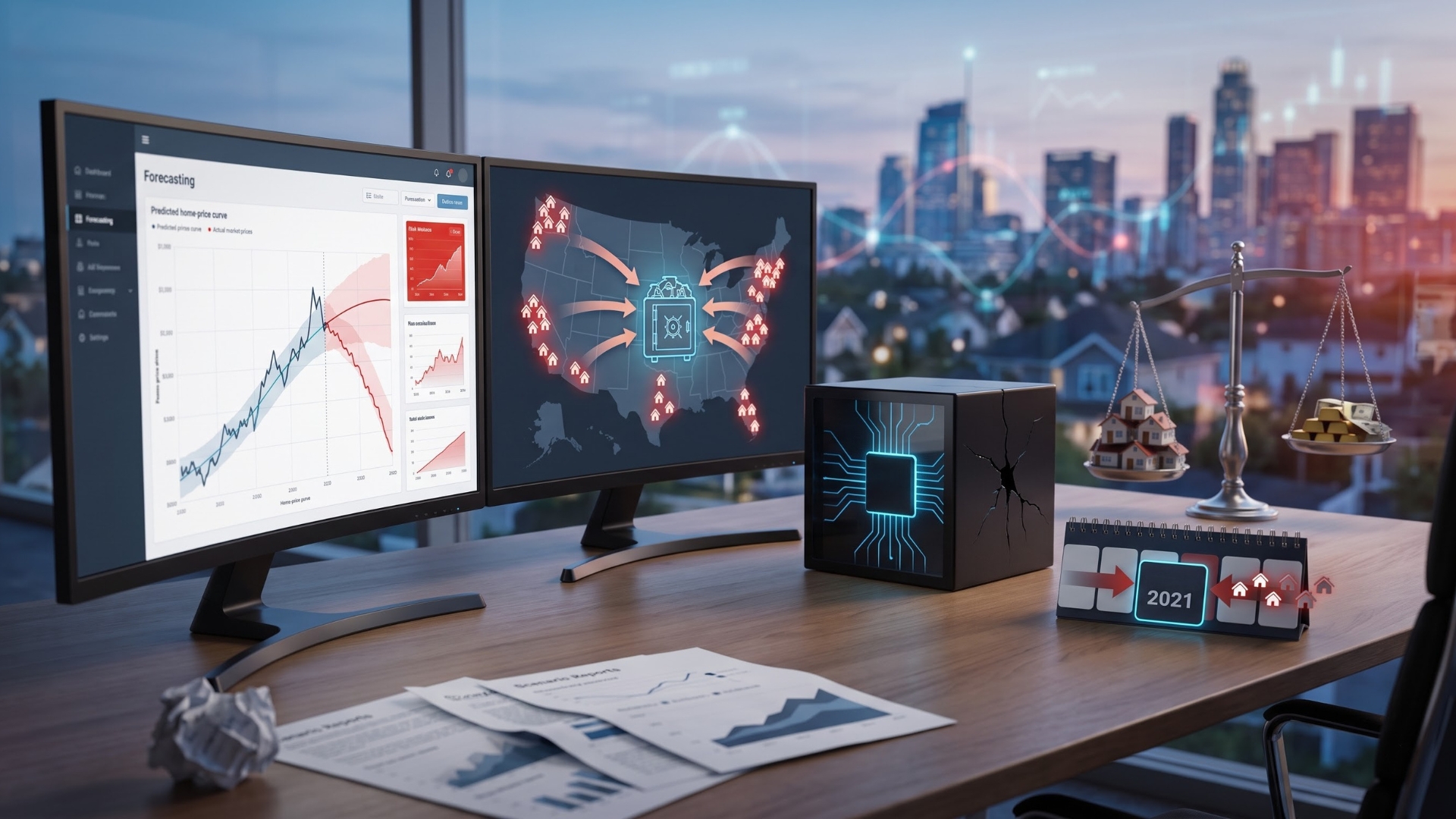
In the demand forecasting tutorial in New Jersey, there was a key question on forecasting during a recession. Forecasting is relatively easier in a boom. As they say the Trend is your friend! But not so during a recession, since we don’t want the trend to be persistent ==> this would result in a worsening economic situation.
We want an inflection point for the drop to stabilize and then we expect a bottoming up and a pick up so we are back on positive trend. However, turning points are difficult to forecast. There was a lot of talk about the V shaped recovery and its challenges for demand planning. The drop was sudden and the demand fell off a cliff. Then the pick up was sudden as well.
Companies had substantial drop in their demand earlier this year but the consequent inventory depletion and the sudden pick up in demand had resulted in businesses scrambling to ramp up production. The decision to deplete inventories earlier this year had compounded the woes. Companies through most of this year have been suffering from customer service issues and higher costs on expediting and execution.
Forecasting is indeed difficult when things are not business as usual. You need extra information or additional insights to call these turns correctly. However, when that additional driver is outside of your control, then it is scenario planning that you need to count on.
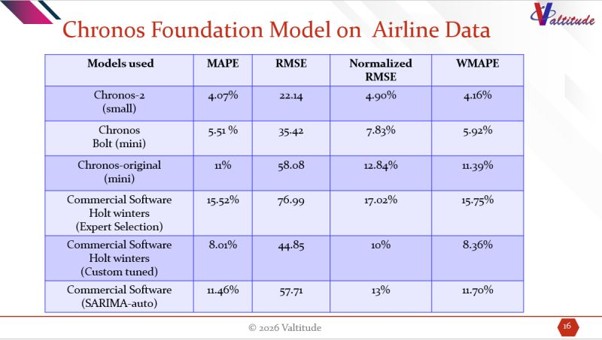
Exponential smoothing will catch up with the new trend with a time lag. The first few forecasts will be way off. This depends on the smoothing parameter in the model.
I am working as planning staff in hitachi company. It is very hard to forecast accurate right now.
Southard,
Excellent points. You cannot underestimate the value of customer information and the Sales and Marketing functions that act as the conduits for that information. Aggregating information from the bottom up through field sales forecast is a powerful method to add intelligence.
In fact, our consulting philosophy as pronounced in http://www.demandplanning.net is one of total and holistic demand forecasting, in essence demand planning.
But also don’t under-estimate the importance of scenario planning and sensitivity analysis. What happened during the Great Recession was a sudden evaporation of liquidity in the credit markets. This resulted in a precipitious fall in general demand for goods and services NOT because companies did not demand but they could NOT pay for it.
World class companies with solid balance sheets, just found they cannot pay for it because the banks were hesitant and the commercial paper market was empty. They could pay if they start selling their own marketable securities, which could have caused another wave of price deterioration.
The beauty of algorithmic modeling using exponential smoothing techniques is the faster adaptation to the new reality. Even if we can’t forecast this extra-information, the models do adapt to a new reality pretty quickly.
Yes, forecasting is difficult when it’s not business as usual. When was the last time it was “business as usual?” In the past 10 years we have seen an accelerated business cycle and unprecedented volatility to a point that companies cannot rely upon past history to predict the future. Instead, companies need (as you state) “extra information or additional insights.” Who has this extra information or additional insight? The folks who are close to the market and the customers: your sales and marketing team. That’s right, companies need to enhance and perfect the art of bottoms-up forecasting to win today. As I mention in my blog, companies will always need some level of algorithmic forecasting (exponential smoothing or whatever model they choose) – but to stay on top today – companies need a complete forecast, including a forecast from the people on the street.